| |
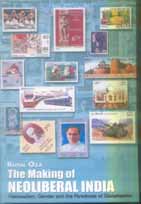 |
| The Making of Neo-liberal India |
| In the 1990s, popular cultural archives document the rise of a new woman, carefully crafted to be modern, compatible with globalizing India, yet Indian, representing its core values. The focus is on the middle class's engagement with Indian identity in the era of globalization and how notions of masculinity and femininity are central to this. Oza nuances this macro argument and avoids positioning a hegemonic state apparatus against civil society. She paints the relationship between economic liberalization, globalization, rise of Hindutva and the alliance of the new middle class with all these developments in broad brushstrokes, putting forward a fairly plausible case. |
| —The Book Review, October 2007 |
|
|