| |
 |
|
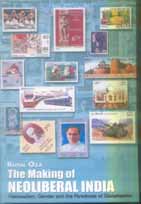
THE MAKING OF NEO-LIBERAL INDIA: NATIONALISM, GENDER AND THE PARADOXES OF GLOBALISATION
Rupal Oza
Rs 300 Hb 2006
81-88965-28-6
|
|
This book examines the impact of globalization on the discourse on Indian culture and identity. Though concerned primarily with developments following the liberalization of the economy in the early 1990s, an extended history is provided of each of the issues addressed, which reveals the gradual mutations in definitions of ‘women’s liberation’ or ‘national security.’ Three sites of public debate are explored — the introduction of satellite television and the opening up of the airwaves; the 1996 Miss World pageant; and India’s declaration of nuclear weapons capability in 1998. Drawing on sources ranging from court cases to commercial advertising, the author tracks the efforts to realign the borders and boundaries of the nation-state through the rhetoric of safeguarding sexual mores and of masculine virility. Rather than
waning in significance under globalization, the author argues that the nation-state is made the reference point by representatives of the state as well as by civil society actors of diverse political persuasions, in an attempt to secure material and discursive control over identities. The anxiety with globalization is displaced onto gendered bodies, thereby aligning the scale of the body with the scale of the nation. These anxieties lead to efforts to police the boundaries of gendered behavior, or conversely to displays of military strength. The book concludes that it is critical to interrogate the categories of identity mobilized by ‘local resistance’ to globalization before valorizing this resistance.
|
|
RUPAL OZA
is Associate Professor at the Department of Geography and was Director of the Women's Studies Programme at Hunter College, City University of New York. |
|